

OUR LATEST ARTICLE
Our Latest News & Blog Articles
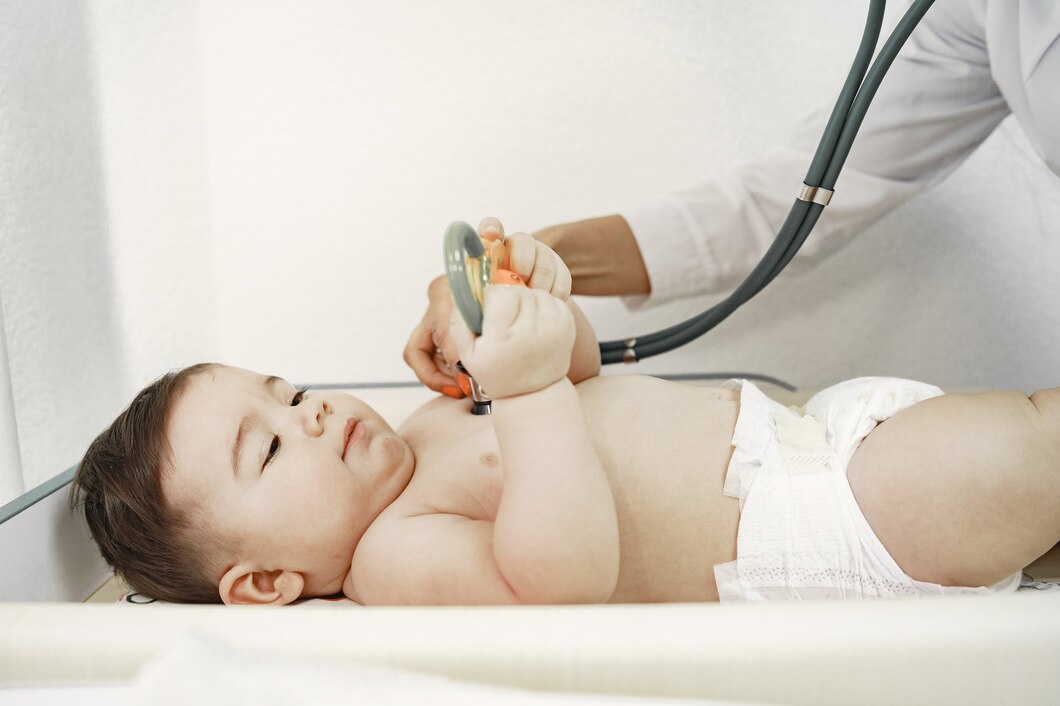
How Often Should a Newborn See the Pediatrician? A Complete Visit Schedule
Every new parent eventually asks the same question, usually somewhere between a 3 a.m. feeding and a diaper change: how often does my baby actually need to see the doctor? It's a fair question newborns change so fast that keeping track of appointments can feel like just one more thing on an already-full plate. But getting this timing right isn't just a formality. Those early checkups are what catch small problems before they become bigger ones, and they keep your baby's growth, feeding, and immunizations on track.
This guide lays out the newborn checkup schedule pediatricians typically recommend, what actually happens during each visit, and why sticking to it matters more than it might seem in the moment.
How Often Should a Newborn Visit the Pediatrician?
Most pediatricians recommend a newborn's first visit within 3–5 days of birth, followed by checkups at 2 weeks, 1 month, 2 months, 4 months, and 6 months. Each of these visits is timed to catch specific developmental and health milestones.
A few things worth knowing about this schedule:
The first appointment usually happens within days of coming home from the hospital
Visits naturally spread out as your baby's growth and feeding patterns become more stable
Babies born premature or with health complications may be seen more frequently
No two schedules are identical your pediatrician adjusts based on how your baby is doing
If your baby had a complicated birth or an early health concern, don't be surprised if your doctor suggests a tighter check-in schedule at first. Individualized care like this is the norm, not the exception, in newborn pediatrics.
What Actually Happens at a Newborn Checkup
A typical newborn visit runs about 20–30 minutes and covers a lot of ground in that short window a physical exam, growth tracking, and time to talk through anything on your mind as a parent.
Here's roughly what to expect:
Measurements of weight, length, and head circumference to track growth trends
A physical exam checking the heart, lungs, hips, skin, and reflexes
A conversation about feeding and sleep patterns to flag any early difficulties
A vaccination review, since the immunization schedule ramps up starting at 2 months
Open time for questions crying spells, spit-up, sleep struggles, whatever's on your mind
Most insurance plans treat these as preventive visits, so out-of-pocket costs are typically minimal or nonexistent. And this isn't a service that ends at infancy—the same office that handles your baby's newborn visits can continue seeing your child for annual physicals as they grow. Many practices also offer Same-Day Sick Visits in Burlington, ensuring your child can receive prompt medical care whenever unexpected illnesses or concerns arise.
Why Sticking to the Schedule Actually Matters
It's tempting to think that if your baby seems fine, a checkup can wait. In practice, the value of these visits isn't just in catching problems it's in confirming things are on track, and catching the ones that aren't before they become harder to manage.
Some of the concrete benefits:
Feeding issues, jaundice, or slow weight gain get caught while they're still easy to address
Vaccines given on schedule offer stronger protection than ones given late
Delays in hearing, vision, or motor skills are more likely to be caught early
You get a consistent point of contact for questions, rather than guessing or Googling at 2 a.m.
A complete, ongoing medical record makes future care decisions easier for everyone involved
There's also a relationship that builds over these visits. By the time your child needs school-entry vaccinations, you're not walking into a stranger's office you're seeing a pediatrician who already knows your family's history.
What the Visit Process Looks Like
Every newborn visit follows a fairly predictable rhythm, designed to keep things calm and efficient for both baby and parent.
Check-in with a brief nurse intake weight and temperature first
Physical exam by the pediatrician, covering major organs and reflexes
A conversation about feeding, sleep, and anything you're concerned about
Vaccinations, if due, administered under standard safety protocols
Scheduling your baby's next visit before you head out
Pediatric offices generally follow strict safety measures sanitized exam rooms, separate spaces for sick and well visits where possible, and careful screening for vaccine allergies. If your baby has a specific medical condition, expect your pediatrician to adjust the exam accordingly.
What Sets Burlington Pediatrics Apart
Finding a pediatric office isn't just about proximity it's about finding a team you trust to notice the small things and explain what they mean. That's the standard we hold ourselves to at Burlington Pediatrics.
Here's what families in the area tell us they value most:
A scheduling system built specifically around the newborn stage's frequent early visits
One office that stays with your family from infancy all the way through the teen years
Appointments that don't feel rushed our team takes the time your questions deserve
Easy access for families throughout Burlington, MA
Whether it's your baby's very first appointment or a routine physical years down the line, our aim is the same: make the visit feel unhurried and genuinely useful.
Conclusion
Staying on track with your newborn's pediatrician visits is one of the best ways to support healthy growth and development. Regular checkups help monitor milestones, keep vaccinations on schedule, identify potential concerns early, and give you trusted guidance as your baby grows. By following the recommended visit schedule, you're building a strong foundation for your child's lifelong health.
Ready to book your newborn's next visit? Schedule an appointment today and partner with a pediatrician who will support your family through every stage of your baby's journey.
Frequently Asked Questions
How soon after birth should I book the first pediatrician visit?
Ideally within 3–5 days of birth, though your hospital care team may recommend an earlier date depending on your baby's health.
Can I get a same-day appointment for an urgent newborn concern?
Yes most pediatric offices, ours included, keep same-day slots open specifically for urgent newborn issues.
Will insurance cover newborn checkups?
Most insurance plans classify well-child visits as preventive care, which means little to no cost out-of-pocket for most families.
How do I choose the right pediatric office for my newborn?
Look for a practice with a clear visit schedule, availability for same-day sick visits, and pediatricians who specialize in infant care.
Is it normal or safe to bring a newborn in this frequently?
Yes. Pediatric offices follow strict sanitation protocols, and in fact, delaying early visits carries more risk than keeping to the recommended schedule.


Burlington Pediatrics is a well-established pediatric healthcare practice that provides comprehensive medical care for children from infancy through adolescence, offering services like wellness checkups, immunizations, and treatment for common childhood conditions.
Contact Info
Phone No: 781-272-2210