
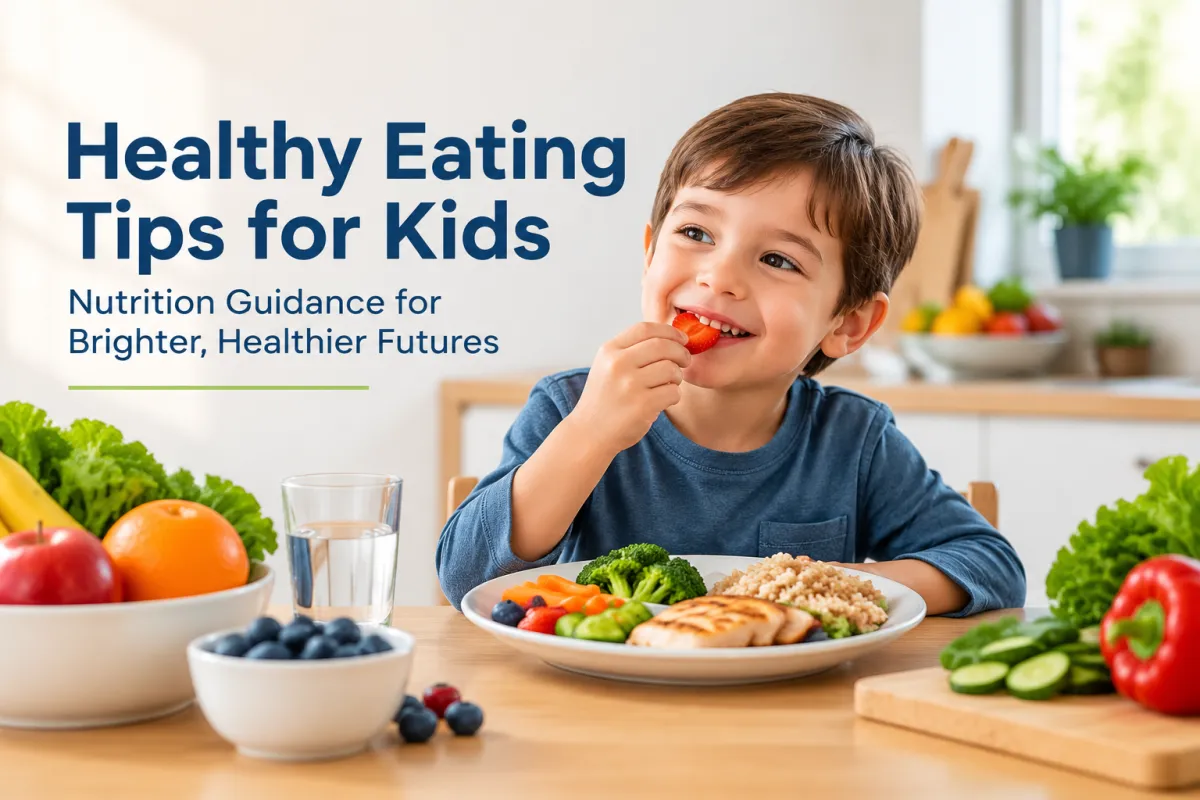
Healthy Eating Tips for Kids | Burlington Pediatrics MA
Teaching children about nutrition early sets the stage for a lifetime of healthy eating habits. As parents, you're already managing countless decisions about your child's wellbeing and feeding them right is one of the most important. From toddlers discovering solid foods to teens developing independent food choices, establishing good nutrition habits requires patience, consistency, and the right guidance. That's where expert pediatric advice makes all the difference in helping your family thrive.
The Critical Role of Nutrition in Early Childhood Development
Proper nutrition fuels every aspect of your child's growth from brain development and bone formation to immune function and emotional regulation. During the first five years, children's brains develop rapidly, and the nutrients they consume directly impact their learning ability, attention span, and behavioral development.
The pediatric experts at Burlington Pediatrics emphasize that nutrition isn't just about preventing disease; it's about optimizing your child's potential. When children receive adequate vitamins, minerals, protein, and healthy fats, they perform better in school, have more stable moods, and develop stronger immune systems to fight off common infections.
Key nutrients for childhood development include:
Calcium and Vitamin D for strong bones and teeth
Iron for cognitive development and energy
Omega-3 fatty acids for brain health
Protein for muscle and tissue development
Whole grains and fiber for digestive health
Establishing Healthy Eating Habits: A Practical Guide for Parents
Creating healthy eating habits doesn't require perfection, it requires consistency and intention. Whether you're looking for a pediatrician in Billerica MA or guidance at your local clinic, pediatricians recommend focusing on simple, sustainable strategies that work for your family's lifestyle.
Start with whole foods. The foundation of good nutrition is choosing foods closest to their natural state. Fresh fruits, vegetables, lean proteins, whole grains, and low-fat dairy should make up the bulk of your child's diet. Processed foods high in added sugars, sodium, and unhealthy fats should be occasional treats, not daily staples.
Make mealtimes a family affair. Children learn eating habits by watching their parents. When families eat together without distractions like screens, children develop healthier relationships with food and improved digestion. These moments also strengthen family bonds and create opportunities for meaningful conversation.
Involve your child in meal preparation. Kids are more likely to eat foods they've helped prepare. From selecting produce at the farmer's market to stirring ingredients in the kitchen, involving children in the process teaches valuable life skills while building confidence and curiosity about different foods.
Navigating Common Nutritional Challenges for Different Age Groups
Every age brings unique nutritional needs and challenges. Understanding what's developmentally appropriate helps parents make informed decisions about their child's diet.
For toddlers (ages 1-3), a pediatrician near me Billerica MA or Wilmington MA would emphasize introducing a variety of foods while watching for allergies. Toddler pediatrician specialists recommend offering foods in small, manageable pieces and being patient as new tastes are explored. Don't be discouraged by initial rejection; it often takes 15-20 exposures to a food before a toddler accepts it.
For school-age children (ages 4-8), nutrition should support increased physical activity and cognitive demands. Packing nutritious lunches, providing healthy snacks, and limiting sugary drinks becomes increasingly important as children spend more time away from home.
For pre-teens and teens (ages 9-18), peer influence and independence begin shaping food choices. Educating older children about nutrition's impact on their appearance, athletic performance, and mental health often resonates more than traditional health messaging.
Burlington Pediatrics recommends age-appropriate nutrition discussions that empower children to make their own healthy choices rather than relying solely on parental restrictions.
Practical Nutrition Strategies Recommended by Pediatric Professionals
Pediatricians caring for children across Massachusetts from pediatrician Burlington MA to surrounding areas like Wilmington suggest these evidence-based strategies:
The plate method: Fill half your child's plate with fruits and vegetables, one quarter with lean protein, and one quarter with whole grains. This visual approach makes balanced meals intuitive without complicated calculations.
Plan ahead for success: Children who get hungry without healthy options available are more likely to make poor food choices. Stock your kitchen with pre-cut vegetables, nuts, yogurt, and fruit so healthy snacking is the default option.
Address sugar strategically: Rather than banning sweets entirely, which can create obsessive cravings, establish clear boundaries. Desserts might be reserved for weekends, or sweet treats might be paired with protein to slow sugar absorption.
Stay hydrated: Many children don't drink enough water, especially during school and activity seasons. Encourage water as the primary beverage while limiting juice and sugary drinks, which provide calories without nutritional substance.
Read nutrition labels: Teaching children to understand food labels empowers them to make informed choices. Look at serving sizes, added sugars, sodium, and ingredient lists together.
When to Seek Professional Nutritional Guidance
While basic nutrition principles apply to most children, some situations warrant professional support. If your child has food allergies, digestive issues, is significantly underweight or overweight, refuses entire food groups, or has behavioral issues around eating, consult with your pediatrician.
Burlington Pediatrics can connect you with registered dietitians who specialize in pediatric nutrition and create personalized meal plans addressing your child's specific needs, preferences, and health conditions.
Final Thoughts
Creating healthy eating habits early helps children develop a positive relationship with food and supports lifelong health. Burlington pediatrics ma provides trusted guidance to help parents encourage nutritious choices and healthy routines for their child’s growth and development.
FAQs
How much should my child eat at each meal?
Serving sizes vary by age and individual needs; your pediatrician can provide age-specific guidance, and watching your child's hunger and fullness cues helps establish healthy portions.
Is it okay to give my child multi-vitamins?
Most children eating a varied diet don't need supplements, but certain situations (picky eaters, dietary restrictions, or specific deficiencies) may warrant discussion with your pediatrician.
How can I get my picky eater to try new foods?
Expose them repeatedly without pressure, model healthy eating yourself, involve them in cooking, and remember that taste preferences develop gradually over time.
Should I restrict certain foods or focus on adding healthy options?
Adding nutrient-dense foods (fruits, vegetables, whole grains, proteins) often works better than restriction-based approaches, which can create unhealthy food relationships.
What's a reasonable amount of screen time during meals?
Screen-free mealtimes help children focus on hunger cues and social connection; limiting screens to zero during family meals is ideal for developing healthy eating habits.
When should I involve my child in nutrition decisions?
Even young children can choose between healthy options; older children can help plan menus and shop for groceries, building confidence and investment in their nutrition.
