
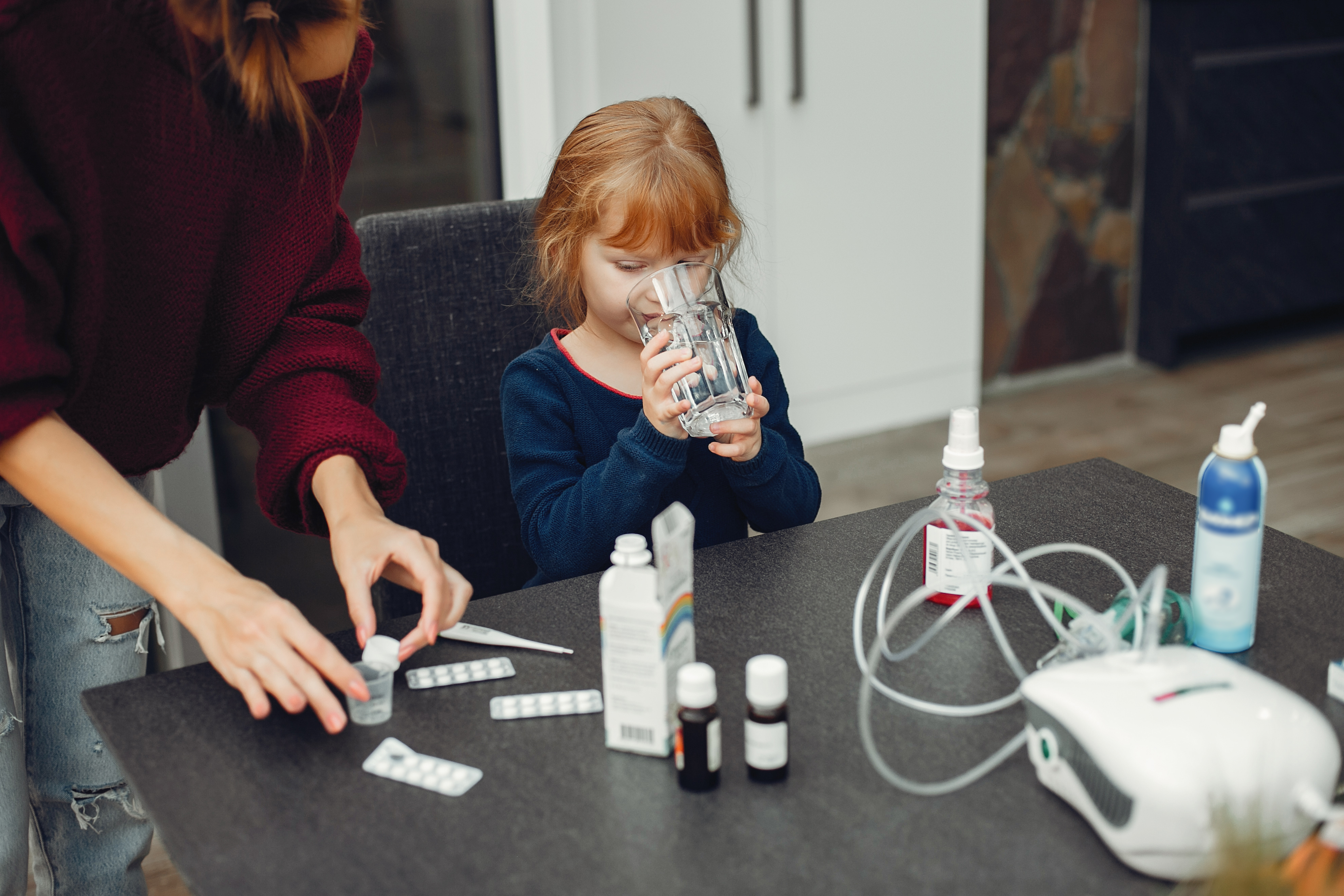
Signs of Dehydration in Children: What Parents Should Know
Dehydration in children is a serious health concern that many parents worry about, yet might not always recognize. When a child loses too much body fluid through sweating, diarrhea, vomiting, or reduced fluid intake, it can quickly become dangerous. At Burlington Pediatrics, we understand that knowing the signs of dehydration in children is crucial for every parent and caregiver. This guide will help you identify warning signs early and understand when to seek immediate medical attention.
Understanding Dehydration in Children
Dehydration occurs when a child's body loses more fluids than it takes in. Children are more vulnerable to dehydration than adults because their bodies contain a higher percentage of water and they have a harder time regulating their internal temperature. Whether your child is suffering from gastroenteritis, fever, or simply isn't drinking enough fluids, recognizing signs of dehydration in children early can prevent serious complications.
If you're searching for a pediatrician near me tewksbury ma or concerned about your child's health, Burlington Pediatrics offers same-day sick visits and comprehensive pediatric care to help you address these concerns quickly.
Early Warning Signs of Dehydration
The earliest signs of dehydration in children often appear subtle, which is why many parents miss them initially. Look for:
Decreased urination: your child may have fewer wet diapers or go longer between bathroom trips
Dry mouth and lips: particularly noticeable after waking up
Thirst: though young children may not always express this clearly
Lethargy: your child seems unusually tired or less active than normal
Slightly elevated heart rate: though this requires professional assessment
These early indicators are your window to intervene before dehydration becomes severe. Many parents who visit our clinic for Same day sick visits wilmington ma report noticing these subtle changes in their children's behavior.
Moderate Dehydration Symptoms
As dehydration progresses, signs of dehydration in children become more pronounced and require urgent attention:
Dark yellow or amber-colored urine: a telltale sign the body is conserving water
Sunken eyes and fontanelle: the soft spot on the baby's head appears indented
Dry skin: skin may lack its normal elasticity
Dizziness or lightheadedness: especially when standing up
Rapid breathing: the body compensates by breathing faster
These moderate symptoms indicate your child needs professional evaluation. If you're a parent in the area looking for a toddler pediatrician tewksbury ma," Burlington Pediatrics can see your child promptly for assessment and treatment.
Severe Dehydration Seek Emergency Care
Severe signs of dehydration in children require immediate emergency room treatment and should not be ignored:
Extreme lethargy or unconsciousness: the child is very difficult to wake
Sunken fontanelle in infants: the soft spot is significantly indented
Very rapid or weak pulse: indicates the heart is struggling
Cool, clammy skin: the body is shutting down
No urination for 8+ hours: the kidneys are being affected
Confusion or irritability: behavior changes dramatically
Call 911 or go to the nearest emergency room if you observe these symptoms. While Burlington Pediatrics provides comprehensive pediatric care, severe dehydration requires hospital-level intervention.
Common Causes of Childhood Dehydration
Understanding what causes dehydration helps you prevent it:
Illness-Related Causes:
Gastroenteritis (stomach flu) with vomiting and diarrhea
High fever from any infection
Respiratory infections with reduced fluid intake
Food poisoning
Environmental and Behavioral Causes:
Excessive sweating from heat exposure or activity
Reduced fluid intake during travel or outings
Refusing to drink during illness
Increased outdoor activity in hot weather
When your child is sick, Burlington Pediatrics can evaluate whether dehydration is occurring and recommend treatment strategies.
When to Contact Your Pediatrician
You should contact your pediatrician if you notice:
Any of the early warning signs lasting more than a few hours
Your child has diarrhea or vomiting lasting more than a few hours
Your child is feverish and not drinking normally
You have concerns about your child's hydration status
Your child has returned from travel or intense activity and seems unwell
Many parents benefit from our same-day sick visits in the Wilmington area. If you're wondering about same day sick visits wilmington ma, Burlington Pediatrics can often see your child within hours of your call, providing peace of mind when you're concerned.
Prevention and Home Management
The best approach to dehydration is prevention:
Encourage Regular Fluid Intake:
Offer water regularly throughout the day, not just when your child asks
Include hydrating foods like watermelon, cucumber, and yogurt
Provide oral rehydration solutions (like Pedialyte) during illness
Avoid excessive caffeine and sugary drinks
During Illness:
Continue offering small sips of fluid frequently
Use a spoon to give fluids if your child refuses to drink from a cup
Maintain cool environments to reduce excessive sweating
Monitor diaper output carefully
For Infants:
Continue breastfeeding or formula feeding as directed
Consult your pediatrician before introducing oral rehydration solutions
Final Thoughts:
Recognizing the early signs of dehydration in children is one of the most important skills a parent can develop. While mild dehydration can often be managed at home with increased fluid intake, moderate to severe dehydration requires professional medical evaluation. Don't hesitate to reach out to Burlington Pediatrics if you have any concerns your child's health and safety are our priority.
If you're in the Tewksbury or Wilmington area and need pediatric care, Burlington Pediatrics is here to help with both routine wellness visits and urgent same-day appointments. We're committed to supporting families through every stage of childhood health.
Contact us Today
Concerned about your child's hydration or health? Call us to schedule a same-day sick visit or routine appointment. Our experienced pediatric team is ready to help.
FAQs
What are the quickest signs of dehydration in children?
Dark urine, dry mouth, decreased urination, and lethargy are among the fastest indicators to watch for.
Can dehydration in children be treated at home?
Mild dehydration can often be managed with increased fluids and oral rehydration solutions, but professional evaluation is recommended.
How long does it take for a child to become dehydrated?
Dehydration can develop within hours, especially in infants and toddlers, particularly during illness with vomiting or diarrhea.
Is it normal for children to lose appetite when dehydrated?
Yes, dehydration commonly causes reduced appetite and decreased interest in food and fluids.
What should I do if my toddler refuses to drink during illness?
Try using a syringe or spoon to give small amounts of fluid frequently, and contact your pediatrician for guidance.
When should I take my child to the emergency room for dehydration?
Seek emergency care if your child shows extreme lethargy, very weak pulse, no urination for 8+ hours, or confusion.
